
Sumerian Civilization: The World’s First Urban Society and Birthplace of History
The Sumerians built the world’s first cities, writing system, laws, and technologies, shaping the foundations of human civilization.
Geographic Setting and Origins
The Sumerians lived in southern Mesopotamia, in the fertile land between the Tigris and Euphrates rivers. This region, located in present-day southern Iraq, provided rich soil that supported agriculture and permanent settlement.
Around 3500 BCE, small farming communities grew into organized city-states, marking the beginning of the world’s first known urban civilization. Cities such as Uruk, Ur, Lagash, and Eridu became centers of political power, trade, and religious life.
City-States and Governance
Sumer was not a single unified empire but a collection of independent city-states. Each city was ruled by a king, often believed to have divine approval to govern on behalf of the gods.
The king managed irrigation systems, defended the city, and maintained order, while priests controlled religious ceremonies and temple wealth. Together, political and religious authority formed the backbone of Sumerian governance.
Social Structure and Daily Life
Sumerian society was strictly organized into social classes. At the top were kings, priests, and nobles, followed by merchants and skilled artisans. Farmers and laborers formed the largest group, while slaves occupied the lowest social level.
Daily life revolved around farming, trade, craftsmanship, and family. Most people lived in mud-brick houses, ate diets based on barley, dates, and vegetables, and wore woolen clothing suited to the warm climate.
Religion and Worldview
Religion was central to Sumerian life. The Sumerians worshipped many gods, each representing forces of nature or aspects of life such as fertility, storms, wisdom, and war.
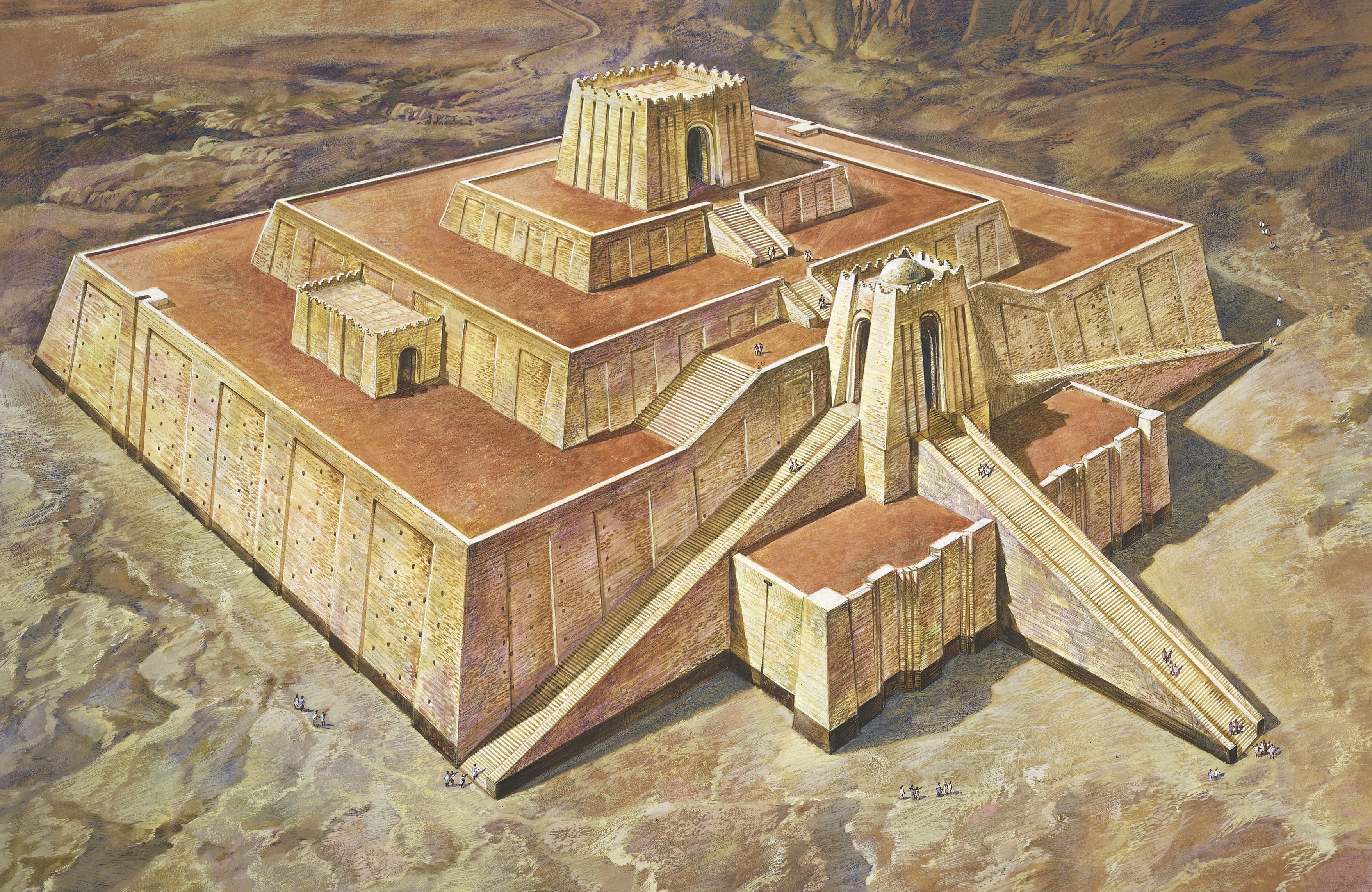
Massive stepped temples called ziggurats dominated city skylines and served as religious centers. The Sumerians believed the gods were powerful but unpredictable, and rituals were performed to gain their favor and avoid disaster.
Writing and Intellectual Achievements
One of the Sumerians’ most important achievements was the invention of cuneiform writing. Initially used to record trade and taxes, it later developed into a system for literature, prayers, and historical records.
Scribes were highly trained and respected, preserving knowledge on clay tablets. Famous works such as the Epic of Gilgamesh provide insight into Sumerian beliefs about heroism, friendship, and mortality.
Economy, Trade, and Innovation
The Sumerian economy was based on agriculture supported by advanced irrigation systems. Surplus food allowed specialization in crafts and trade.
Lacking natural resources like stone and metal, the Sumerians developed long-distance trade networks, exchanging grain and textiles for copper, timber, and precious stones from distant regions.
Key innovations included the wheel, sailboat, plow, standardized weights, and early accounting systems, all of which transformed human society.
Science, Mathematics, and Timekeeping
Sumerians made early advances in mathematics using a base-60 system. This system still influences modern measurements of time and angles.
Astronomy was closely observed for religious and practical reasons. The Sumerians tracked planetary movements and created early calendars to guide agriculture and ceremonies.
Art, Architecture, and Craftsmanship
Sumerian art reflected religious devotion and daily life. Sculptures, relief carvings, and cylinder seals often depicted gods, worshippers, and animals.
Architecture relied heavily on mud brick, leading to impressive city walls, temples, and palaces. Ziggurats stood as symbols of both religious faith and engineering skill.
Decline and Historical Legacy
Over time, Sumerian city-states weakened due to environmental challenges, resource strain, and invasions by neighboring peoples such as the Akkadians.
Although Sumerian political power faded, their cultural achievements lived on. Later civilizations adopted and expanded upon Sumerian writing, laws, science, and urban organization, making the Sumerians true pioneers of civilization.