
Syria: Ancient Civilization, Strategic Crossroads, and a Nation Shaped by History
Syria is one of the world’s oldest civilizations, known for its history, culture, geography, and ongoing struggles shaped by regional conflict.
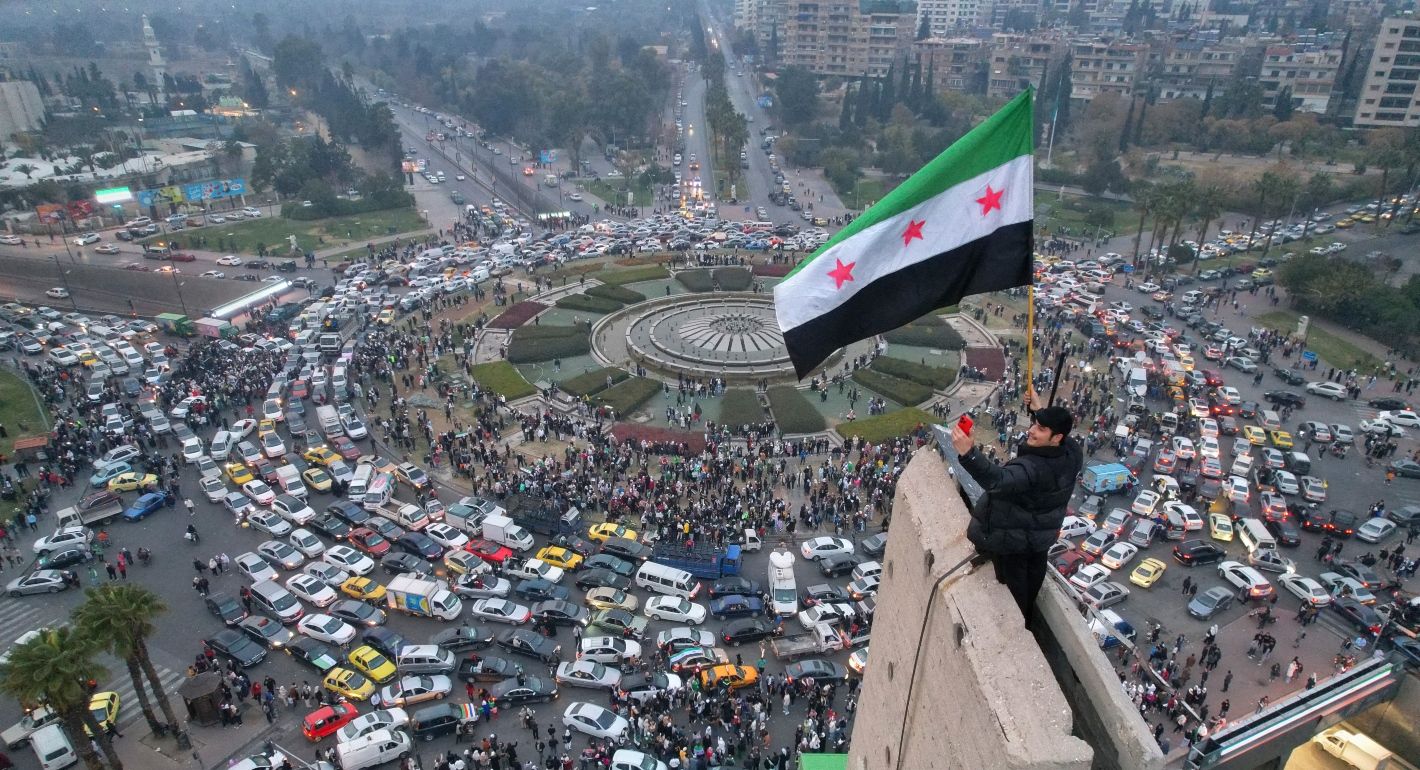
Geography and Location
Syria is located in the heart of the Middle East, forming part of the historic Levant region. It shares borders with Turkey to the north, Iraq to the east, Jordan to the south, Lebanon and Israel to the west, and has a small coastline along the Mediterranean Sea.
The country’s geography is diverse, ranging from fertile plains and river valleys to arid deserts and mountain ranges. The Euphrates River, Syria’s most important waterway, has supported agriculture and settlement for thousands of years, making the region a cradle of early civilization.
Ancient History and Civilizations
Syria is among the oldest continuously inhabited regions in the world. Archaeological evidence shows human settlement stretching back tens of thousands of years. Ancient cities such as Damascus and Aleppo are considered among the world’s oldest urban centers.
Over centuries, Syria was ruled or influenced by major empires including the Akkadians, Assyrians, Babylonians, Persians, Greeks, Romans, and Byzantines. Later, it became a central province of the Islamic Caliphates and the Ottoman Empire, shaping its language, religion, and cultural identity.
Modern Political History
After the collapse of the Ottoman Empire, Syria came under French mandate before gaining independence in 1946. The country later experienced political instability, military coups, and the rise of centralized rule.
Since 2011, Syria has been deeply affected by a prolonged civil conflict that has reshaped its political landscape, caused widespread displacement, and drawn in regional and global powers. The conflict has had lasting effects on the country’s population, economy, and infrastructure.
Culture, Language, and Society
Syrian culture reflects centuries of interaction between civilizations, religions, and ethnic groups. Arabic is the official language, while Kurdish, Armenian, Syriac, and other languages are spoken by minority communities.
The country is religiously diverse, with Sunni Muslims forming the majority, alongside Alawites, Christians, Druze, and other groups. Family, hospitality, food, poetry, and storytelling remain central to Syrian social life.
Economy and Daily Life
Before the conflict, Syria’s economy was supported by agriculture, manufacturing, trade, and tourism. Products such as wheat, cotton, olives, and textiles played an important role in livelihoods.
Years of war have severely weakened economic activity, leading to inflation, unemployment, and reduced access to basic services. Despite these hardships, many Syrians continue to rely on small-scale farming, trade, and community support systems.
Heritage, Archaeology, and Identity
Syria is home to some of the most important archaeological and cultural heritage sites in the world. Places such as Palmyra, the Umayyad Mosque of Damascus, and the old cities of Aleppo and Bosra reflect the country’s layered history.
Damage to heritage sites during the conflict has been a major concern, but cultural identity remains deeply rooted in Syrian society and continues to shape national memory.
Current Challenges and Future Outlook
Syria faces ongoing challenges including humanitarian needs, reconstruction, political uncertainty, and the return of displaced populations. Access to education, healthcare, and employment remains uneven across regions.
At the same time, there are gradual efforts toward rebuilding infrastructure, preserving cultural heritage, and restoring daily life where conditions allow. Syria’s long history of survival and adaptation continues to influence hopes for stability and recovery.